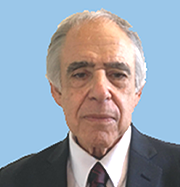
Dan J. Tennenhouse,
MD, JD
- Graduate, University of Michigan School of Medicine
- Graduate, University of California Hastings College of the Law
- Experienced Consultant for attorneys in all types of medically-related litigation.
Current professional activities:
- Medical school faculty. Clinical Professor of Medicine, Volunteer, at the University of California San Francisco School of Medicine where he has taught two different legal medicine lecture courses every year for medical, nursing, dental, and pharmacy students.
- Legal Publication. Sole author, Attorneys Medical Deskbook, 4th Edition + annual supplements published by Thomson-Reuters-West. This 4-volume reference work (6,500 pages) contains a vast amount of information written for health care attorneys.
- Psychiatric group. Member for over 26 years of a select group of psychiatrists meeting monthly in CME-accredited seminars to share knowledge with each other on all aspects of psychiatry. As the only non-psychiatrist in the group, Dr. Tennenhouse is very familiar with the psychiatric components of clinician behaviors that can trigger violations, and that can interfere with a client's willingness to cooperate with counsel. He is also familiar with the pathological behaviors of patients and complainants that are associated with a variety of mental health disorders, and that increase the incidence of inappropriate complaints against clinicians.
Past professional activities:
- Primary care physician for 25 years at the University of California San Francisco medical campus.
- Chair for 14 years of the Incident Report Review Committee at the University of California San Francisco medical campus.
- Consultant to attorneys on medical-legal cases of all types.
- Lecturer to hospitals and clinician groups all over the country on medical-legal risks of clinical practice.
- Taught for 16 years providing clinicians with remedial education required by their licensing boards, hospitals, or other entities, or for pro-active purposes. Dr. Tennenhouse has encountered a wide range of violations by clinicians, as well as effective defense and pro-active measures. He is familiar with methods to improve client attitudes and testimony, and subtle factors that can reduce the severity of the discipline.